AI Analysis · Free
Ask AI About
Manufacturing First
If you have a drawing, we'll analyze its shape for free.
Live Preview
No Drawing?
AI Can Still Help
This is the real thing — more accurate with a drawing,
but you can still get an analysis just by entering the product's use.
- Automatically recognizes shape, dimensions, and material
- Recommends the top 2 manufacturing methods with a fit score (%)
- Results are automatically linked to your quote request
- From upload to results in as little as 1 minute
- Free, and you can re-analyze as many times as you like with different drawings
1 min
Analysis Time
See results right after upload
Free
Cost
No quote request needed
Unlimited
Re-analysis
As many times as you like
AI Analysis
AI Manufacturing Method Analysis
How It Works
Here's How It Works
No complicated process — just upload your drawing to get started.
Upload Your Drawing
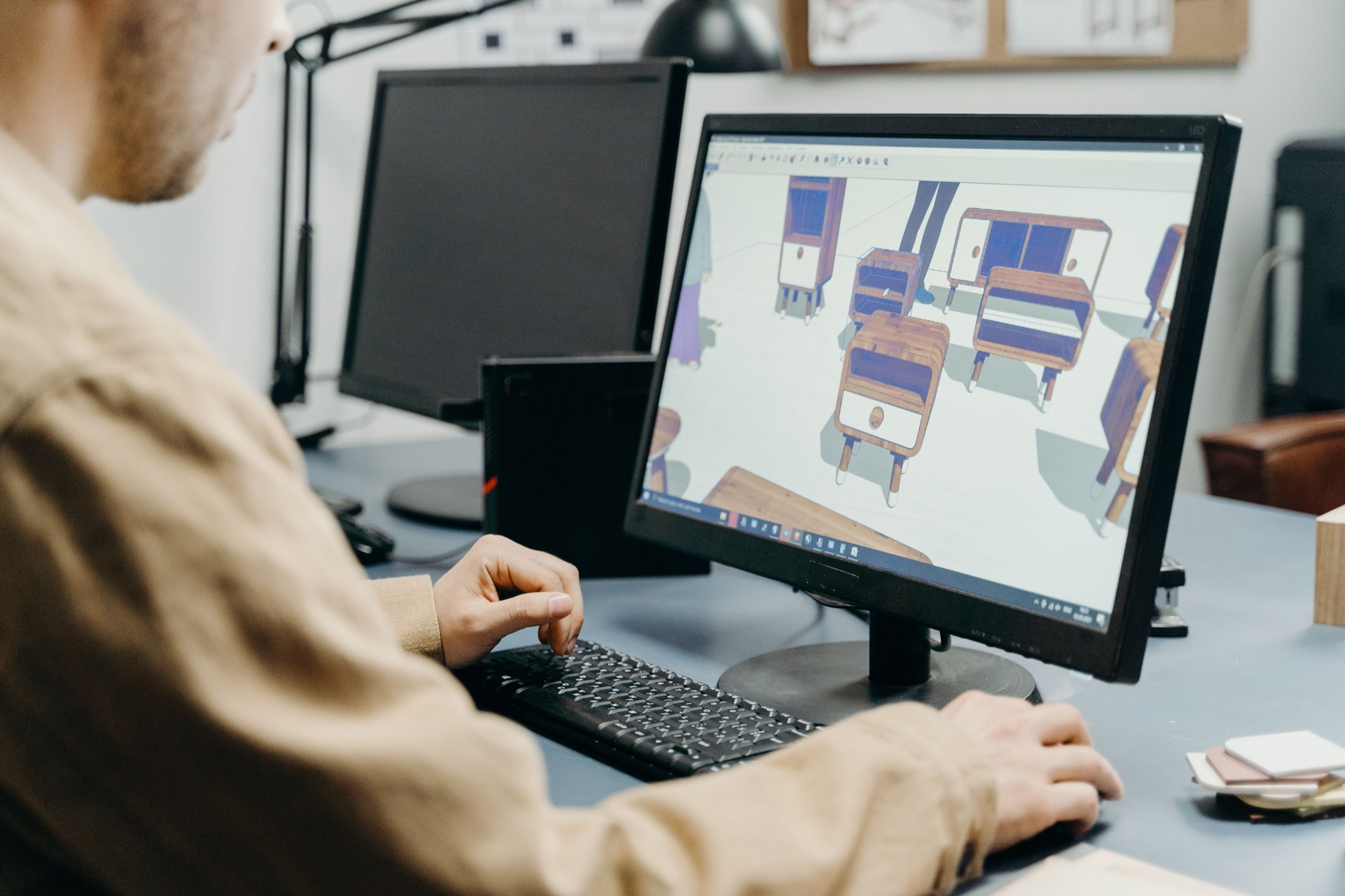
Upload a drawing file in STP, STEP, DXF, DWG, IPT, IAM, SLDPRT, or SLDASM format. Everything happens right in your browser — no software to install.
Automatic AI Analysis
AI recognizes the shape, dimensions, and material from your drawing and automatically determines the best manufacturing method (injection molding, CNC machining, etc.).
Request a Quote Instantly
The analysis results are automatically filled into your quote request — no need to re-enter specs, just request a quote right away.
Your PM Reaches Out
After reviewing your quote request, your dedicated PM will reach out quickly to discuss the details and guide you through next steps.
Result Examples
Real Product Examples
Real AI analysis results for products
with a variety of shapes and materials.
Estimated Part
Smartphone Stand Bracket
ABS · Low Volume
Recommended Methods
Small ABS part with a simple structure and no undercuts
Good for prototyping, low-volume production possible
AI Summary
For this small ABS bracket, injection molding is the best fit. The simple, undercut-free structure keeps tooling costs low and favors high-volume production.
* This analysis is an AI estimate and actual results may vary depending on manufacturing conditions.
Estimated Part
Electronics Housing
PC · Mid Volume
Recommended Methods
PC material, tooling designed for mid-volume production
Good for prototyping and validation, low-volume production
AI Summary
For this PC housing, injection molding is the best fit. At mid-volume production, per-unit cost savings relative to tooling cost are significant.
* This analysis is an AI estimate and actual results may vary depending on manufacturing conditions.
Estimated Part
Prototype Connector Part
Aluminum · Prototype
Recommended Methods
Requires precise dimensions, suited for low-volume prototypes
Good for shape validation, not suited when strength is required
AI Summary
For this aluminum prototype part, CNC machining is the best fit — well suited to a connector structure that needs precise dimensions and strength.
* This analysis is an AI estimate and actual results may vary depending on manufacturing conditions.
Estimated Part
Automotive Interior Bracket
PP · Mass Production
Recommended Methods
PP material, durable tooling suited for high-volume production
For shape validation before tooling
AI Summary
For high-volume production in PP, injection molding is optimal — a durable tool suited for long-term mass production.
* This analysis is an AI estimate and actual results may vary depending on manufacturing conditions.
Estimated Part
Wearable Device Case
Silicone · Mass Production
Recommended Methods
Flexible silicone material, durable enough for repeated wear
For producing a small batch of samples to validate shape
AI Summary
For this silicone wearable case, silicone molding is the best fit — it delivers both flexibility and durability, ideal for a product worn repeatedly.
* This analysis is an AI estimate and actual results may vary depending on manufacturing conditions.
Estimated Part
Precision Gear Part
SUS304 · Mid Volume
Recommended Methods
Steel material requiring high precision and strength
Worth considering if shape complexity is low
AI Summary
For this SUS304 steel gear, precise dimensional control matters most, making CNC machining the best fit — it also offers an advantage in surface finish and tolerance control.
* This analysis is an AI estimate and actual results may vary depending on manufacturing conditions.
Estimated Part
Metal Connector Housing
Zinc Alloy · Mass Production
Recommended Methods
Achieves complex geometries precisely, cost-effective at high volume
Suited for validating a low-volume prototype
AI Summary
For this small zinc-alloy metal part, die casting is the best fit — it renders complex shapes precisely and is highly cost-competitive at high volume.
* This analysis is an AI estimate and actual results may vary depending on manufacturing conditions.
Estimated Part
LED Lighting Housing
Extruded Aluminum · Mass Production
Recommended Methods
A long part with a constant cross-section, forming the heat-sink structure in one pass
If additional machining is needed after extrusion
AI Summary
For this aluminum housing with a constant cross-section, an extruded profile is the best fit — forming the heat-sink fins in a single extrusion pass keeps per-unit cost efficient.
* This analysis is an AI estimate and actual results may vary depending on manufacturing conditions.
Estimated Part
Design Mockup Sample
Resin · Prototype
Recommended Methods
Reproduces a small batch from a silicone master mold, with an appearance close to injection molding
For the shape-validation stage — vacuum casting gives better surface quality
AI Summary
For a small batch of design mockups, vacuum casting is a good fit — a silicone master mold lets you quickly reproduce samples with quality close to injection molding.
* This analysis is an AI estimate and actual results may vary depending on manufacturing conditions.
Estimated Part
Precision Metal Bracket
SUS304 Sheet · Low Volume
Recommended Methods
Suited for precise cut edges and complex outer contours
If thicker sheet or 3D machining is needed
AI Summary
For this thin sheet-metal bracket, laser cutting and sheet metal fabrication are the best fit — the precise cut edges allow direct assembly with no post-processing.
* This analysis is an AI estimate and actual results may vary depending on manufacturing conditions.
Estimated Part
Electronics Chassis
Aluminum Sheet · Mid Volume
Recommended Methods
Bending and punching processes suited for a sturdy metal structure
Worth considering if a more complex shape is needed
AI Summary
For this aluminum sheet chassis, sheet metal fabrication is the best fit — bending and punching efficiently produce a structure that's both sturdy and lightweight.
* This analysis is an AI estimate and actual results may vary depending on manufacturing conditions.
Estimated Part
Smartphone Stand Bracket
ABS · Low Volume
Recommended Methods
Small ABS part with a simple structure and no undercuts
Good for prototyping, low-volume production possible
AI Summary
For this small ABS bracket, injection molding is the best fit. The simple, undercut-free structure keeps tooling costs low and favors high-volume production.
* This analysis is an AI estimate and actual results may vary depending on manufacturing conditions.
Estimated Part
Electronics Housing
PC · Mid Volume
Recommended Methods
PC material, tooling designed for mid-volume production
Good for prototyping and validation, low-volume production
AI Summary
For this PC housing, injection molding is the best fit. At mid-volume production, per-unit cost savings relative to tooling cost are significant.
* This analysis is an AI estimate and actual results may vary depending on manufacturing conditions.
Estimated Part
Prototype Connector Part
Aluminum · Prototype
Recommended Methods
Requires precise dimensions, suited for low-volume prototypes
Good for shape validation, not suited when strength is required
AI Summary
For this aluminum prototype part, CNC machining is the best fit — well suited to a connector structure that needs precise dimensions and strength.
* This analysis is an AI estimate and actual results may vary depending on manufacturing conditions.
Estimated Part
Automotive Interior Bracket
PP · Mass Production
Recommended Methods
PP material, durable tooling suited for high-volume production
For shape validation before tooling
AI Summary
For high-volume production in PP, injection molding is optimal — a durable tool suited for long-term mass production.
* This analysis is an AI estimate and actual results may vary depending on manufacturing conditions.
Estimated Part
Wearable Device Case
Silicone · Mass Production
Recommended Methods
Flexible silicone material, durable enough for repeated wear
For producing a small batch of samples to validate shape
AI Summary
For this silicone wearable case, silicone molding is the best fit — it delivers both flexibility and durability, ideal for a product worn repeatedly.
* This analysis is an AI estimate and actual results may vary depending on manufacturing conditions.
Estimated Part
Precision Gear Part
SUS304 · Mid Volume
Recommended Methods
Steel material requiring high precision and strength
Worth considering if shape complexity is low
AI Summary
For this SUS304 steel gear, precise dimensional control matters most, making CNC machining the best fit — it also offers an advantage in surface finish and tolerance control.
* This analysis is an AI estimate and actual results may vary depending on manufacturing conditions.
Estimated Part
Metal Connector Housing
Zinc Alloy · Mass Production
Recommended Methods
Achieves complex geometries precisely, cost-effective at high volume
Suited for validating a low-volume prototype
AI Summary
For this small zinc-alloy metal part, die casting is the best fit — it renders complex shapes precisely and is highly cost-competitive at high volume.
* This analysis is an AI estimate and actual results may vary depending on manufacturing conditions.
Estimated Part
LED Lighting Housing
Extruded Aluminum · Mass Production
Recommended Methods
A long part with a constant cross-section, forming the heat-sink structure in one pass
If additional machining is needed after extrusion
AI Summary
For this aluminum housing with a constant cross-section, an extruded profile is the best fit — forming the heat-sink fins in a single extrusion pass keeps per-unit cost efficient.
* This analysis is an AI estimate and actual results may vary depending on manufacturing conditions.
Estimated Part
Design Mockup Sample
Resin · Prototype
Recommended Methods
Reproduces a small batch from a silicone master mold, with an appearance close to injection molding
For the shape-validation stage — vacuum casting gives better surface quality
AI Summary
For a small batch of design mockups, vacuum casting is a good fit — a silicone master mold lets you quickly reproduce samples with quality close to injection molding.
* This analysis is an AI estimate and actual results may vary depending on manufacturing conditions.
Estimated Part
Precision Metal Bracket
SUS304 Sheet · Low Volume
Recommended Methods
Suited for precise cut edges and complex outer contours
If thicker sheet or 3D machining is needed
AI Summary
For this thin sheet-metal bracket, laser cutting and sheet metal fabrication are the best fit — the precise cut edges allow direct assembly with no post-processing.
* This analysis is an AI estimate and actual results may vary depending on manufacturing conditions.
Estimated Part
Electronics Chassis
Aluminum Sheet · Mid Volume
Recommended Methods
Bending and punching processes suited for a sturdy metal structure
Worth considering if a more complex shape is needed
AI Summary
For this aluminum sheet chassis, sheet metal fabrication is the best fit — bending and punching efficiently produce a structure that's both sturdy and lightweight.
* This analysis is an AI estimate and actual results may vary depending on manufacturing conditions.
No Drawing Yet?
No Drawing? No Problem
Even at the idea stage, that's fine. Just describe the product you have in mind, and HANDYHAND will review it and help you figure out the direction.
FAQ
Frequently Asked Questions
Get Started
Try It Now
If you have a drawing, find out the manufacturing method
in under a minute, for free.